
 한국어
한국어


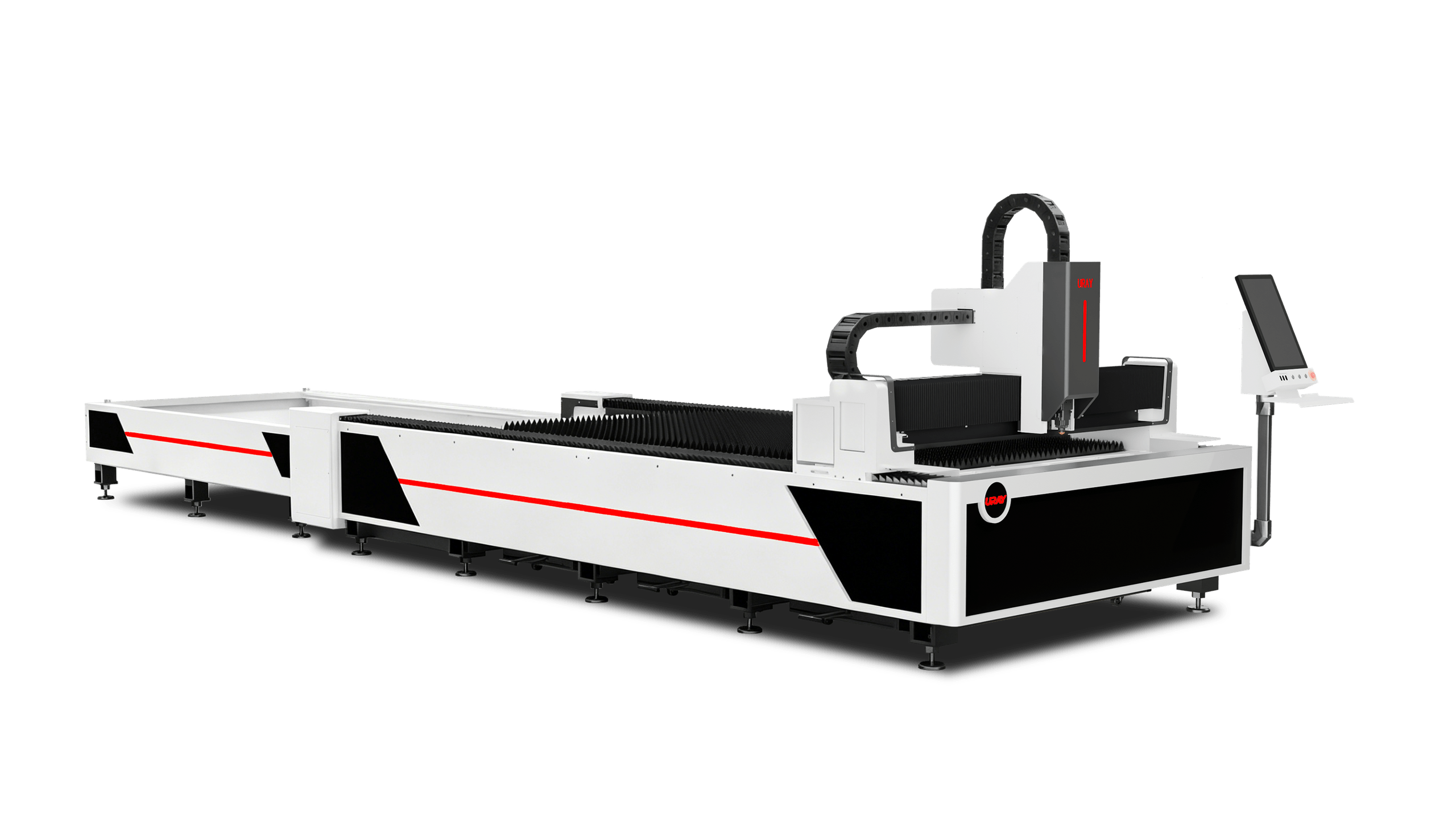
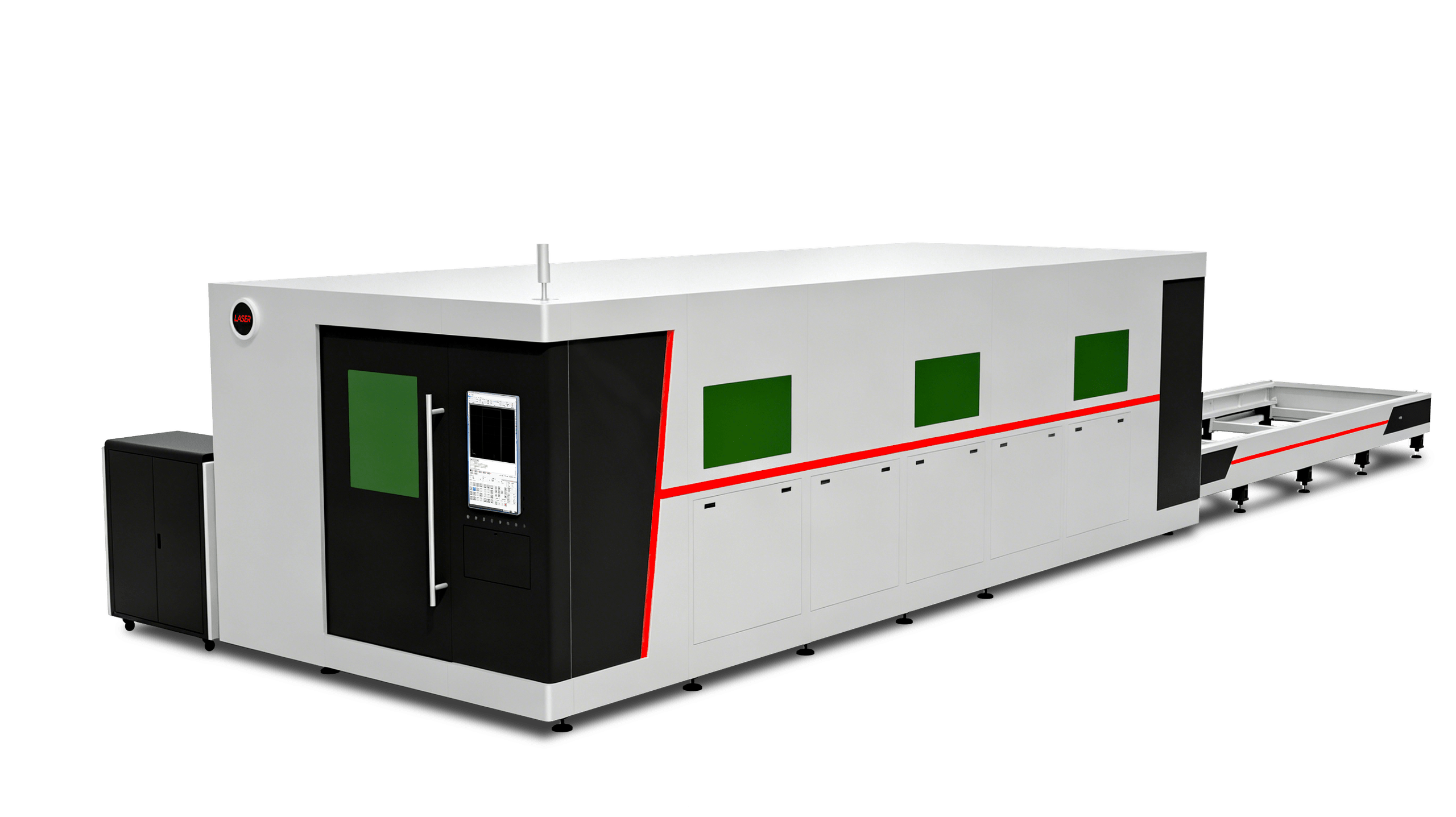
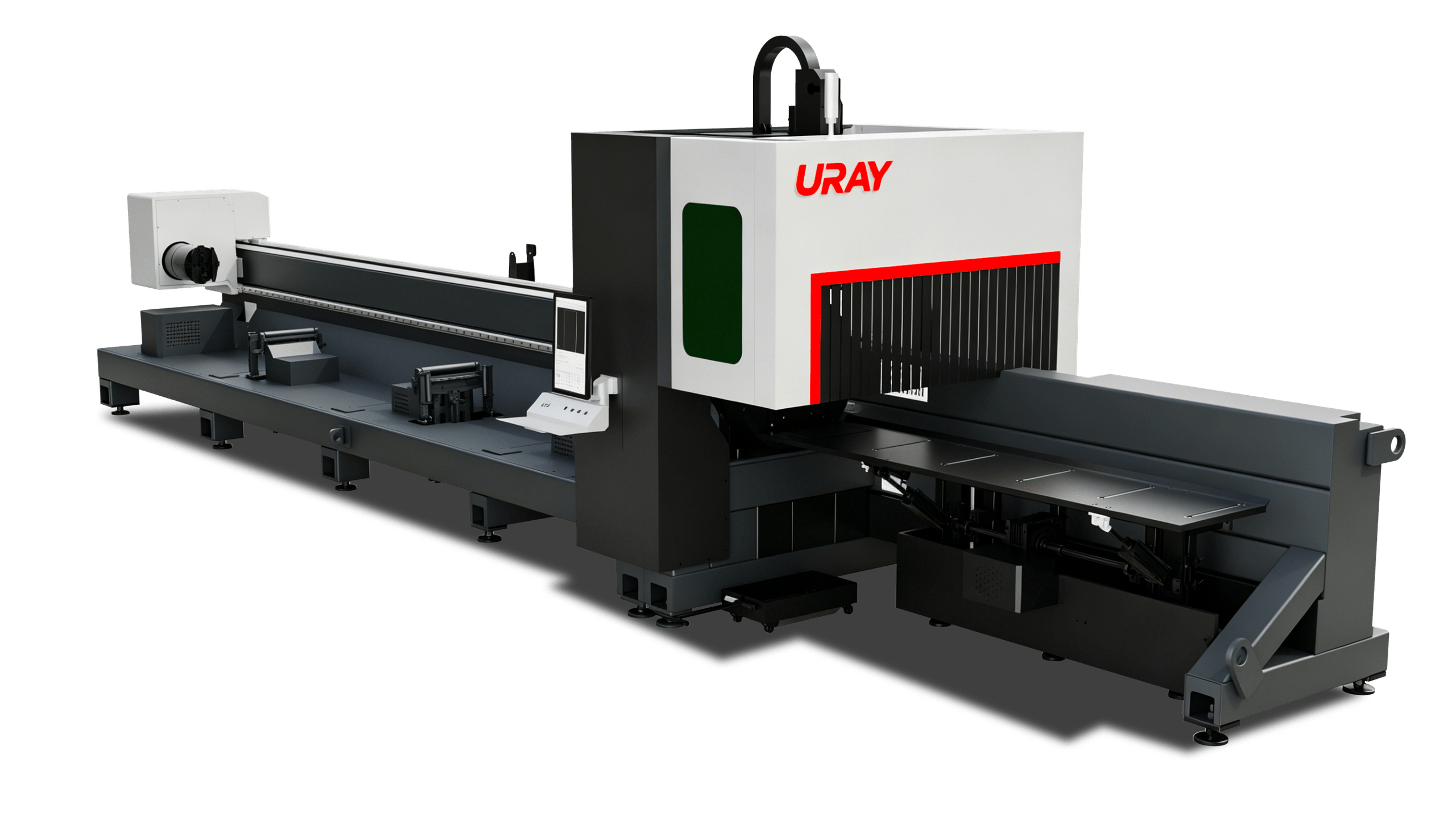
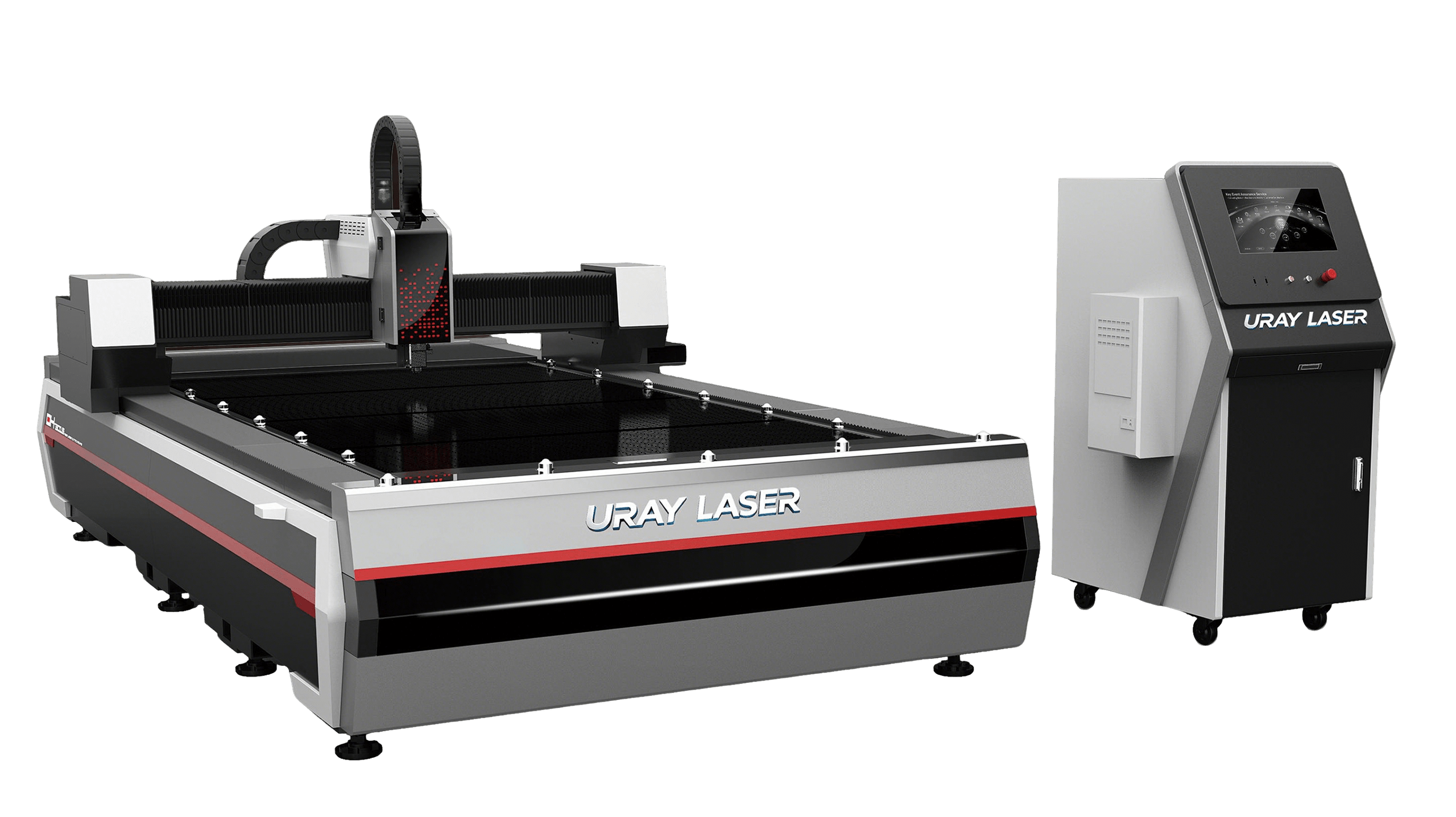
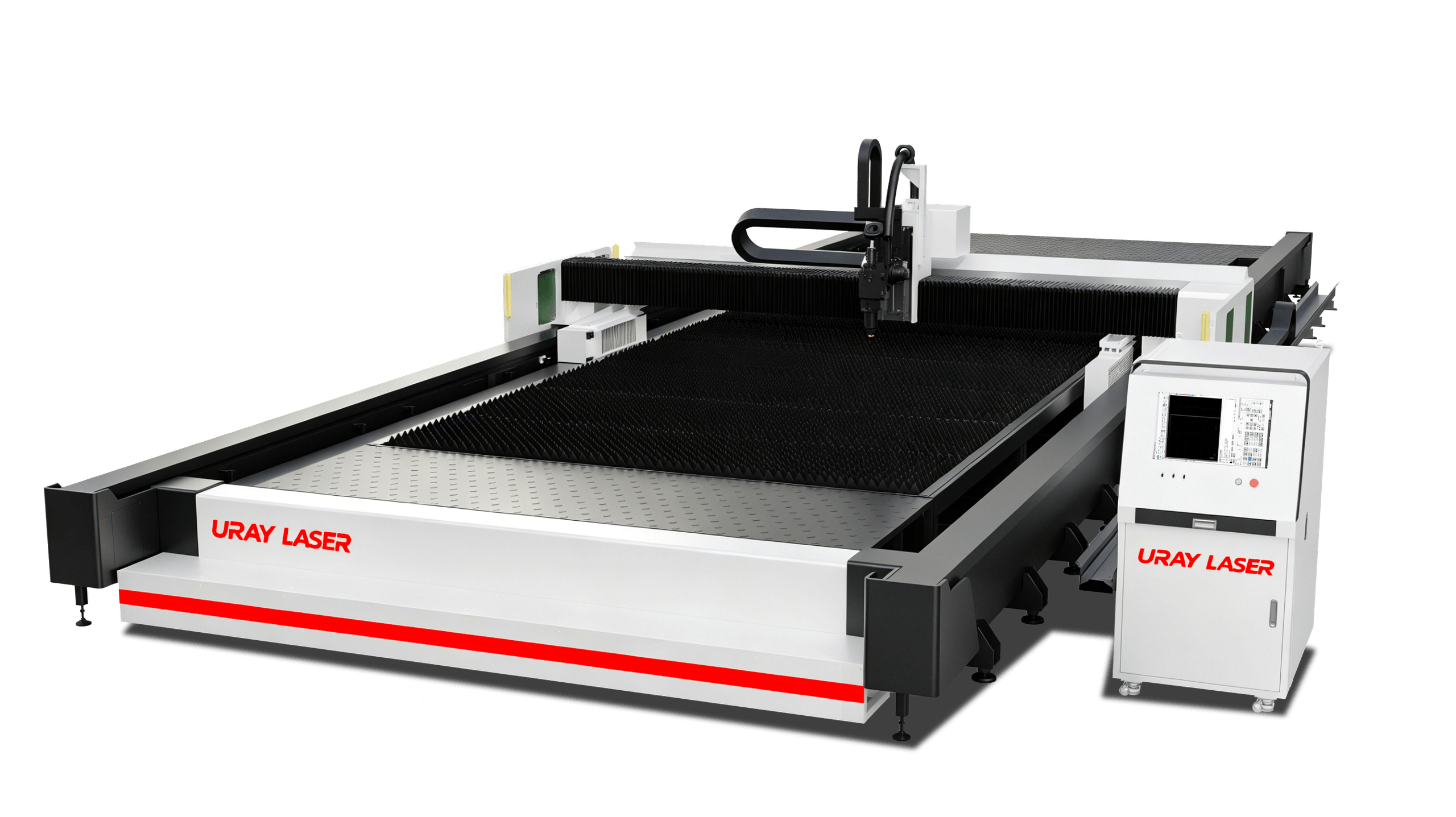
Laser cutting continues to redefine precision manufacturing across automotive, aerospace, and electronics sectors. As we move through 2026, the industry is shifting from pure power escalation toward intelligent integration and sustainable operation. Manufacturers now demand smarter, greener, and more versatile systems rather than simply higher wattage. Understanding these evolving trends is essential for businesses aiming to maintain a competitive edge in modern metal fabrication.
AI-Driven Intelligent Cutting Systems
Artificial intelligence has become the cornerstone of laser cutting innovation in 2026. Modern machines now feature adaptive process controls that automatically adjust focus, speed, and gas flow based on real-time material feedback. AI-powered nesting software optimizes sheet utilization to reduce waste, while predictive maintenance algorithms minimize unplanned downtime. This intelligence transforms laser cutters from passive tools into autonomous production units capable of self-optimization without constant operator intervention.
Ultra-High Power Fiber Laser Adoption
Fiber lasers in the 12kW to 30kW range have transitioned from niche equipment to mainstream production assets. Lower source costs have democratized access to ultra-high power cutting for mid-sized fabricators. These systems dramatically reduce pierce times and improve edge quality on thick plates exceeding 25mm. The trend in 2026 focuses not just on raw power but on beam quality management, ensuring that higher wattage translates directly into superior cut finishes and faster throughput across diverse material thicknesses.
Green Manufacturing and Energy Efficiency
Sustainability mandates are reshaping laser cutting equipment design and operation. Manufacturers are prioritizing energy-efficient fiber sources that consume significantly less power per cut meter compared to previous generations. Integrated fume extraction and filtration systems now meet stricter environmental standards while recovering heat for facility use. Carbon footprint tracking software allows companies to quantify and report emissions per job, making eco-compliance a measurable KPI rather than an abstract goal in 2026 procurement decisions.
Seamless Automation and Robotics Integration
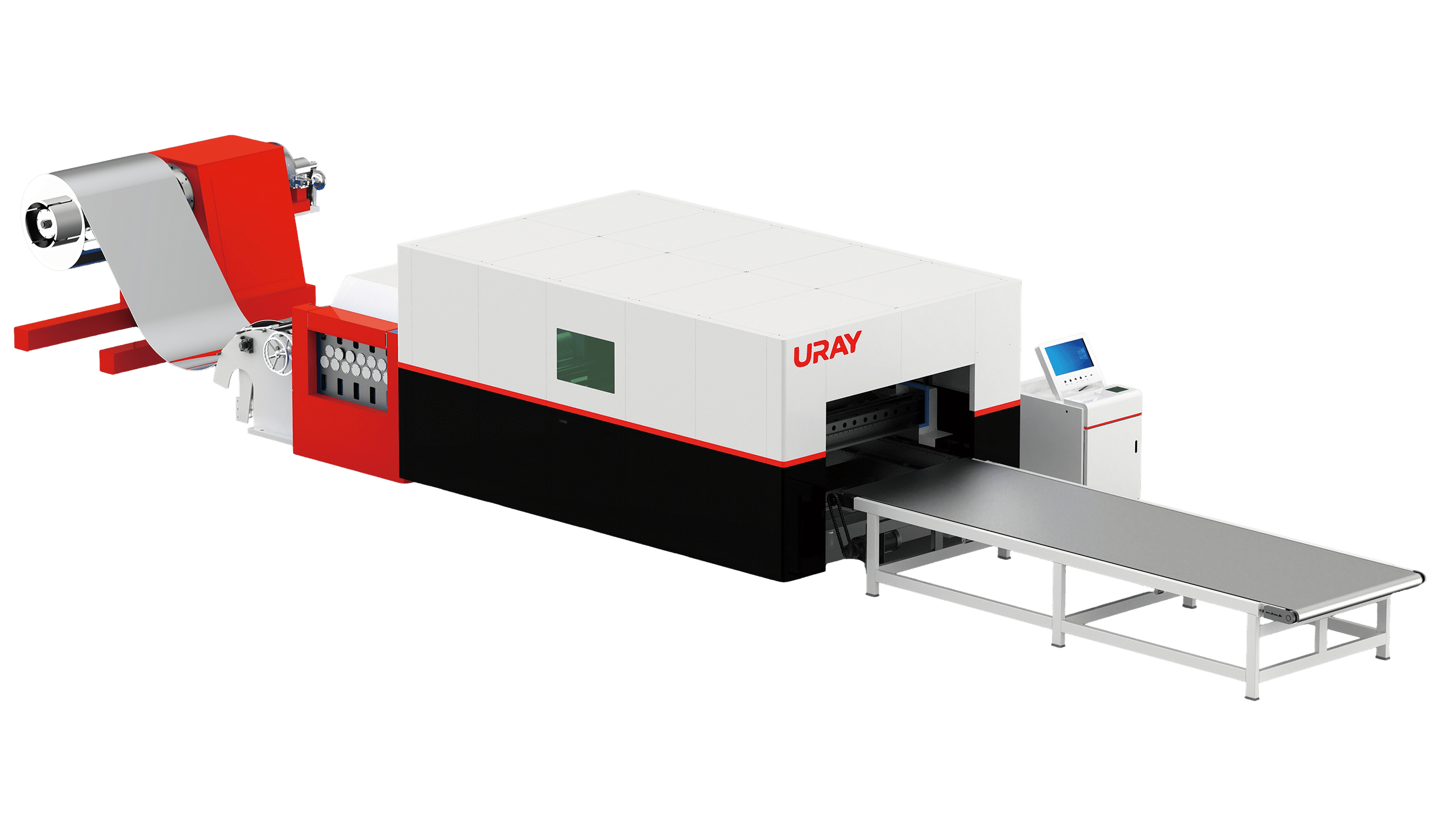
Standalone laser cutting is giving way to fully integrated automated cells. Robotic loading and unloading systems, combined with automated sorting and palletizing, enable lights-out manufacturing operations. In 2026, interoperability between laser cutters and factory MES/ERP systems has matured, allowing real-time job scheduling and inventory synchronization. This seamless connectivity eliminates bottlenecks between cutting and downstream processes, maximizing overall equipment effectiveness in high-mix production environments.
Advanced Material Processing Capabilities
The scope of laser cutting has expanded beyond traditional metals to address emerging industrial materials. Systems in 2026 routinely handle reflective alloys, composites, and advanced ceramics with specialized wavelength options and pulse shaping techniques. Multi-process heads combining cutting, welding, and marking in a single setup reduce handling time and floor space requirements. This versatility enables manufacturers to consolidate multiple fabrication steps into one platform, responding faster to market demands for complex component geometries.
Conclusion
The laser cutting landscape in 2026 is defined by convergence rather than isolated advancements. Intelligence, power, sustainability, automation, and material versatility now operate as interconnected pillars of modern fabrication. Success depends on selecting systems that balance these elements according to specific production needs rather than chasing singular specifications. As technology continues evolving, manufacturers who embrace this holistic approach will lead the next era of precision manufacturing efficiency.